
To my partner, who walked beside me through every moment of this journey. Thank you for your love, your strength, and for holding space for our grief and our dreams.
Child loss, especially after 40, is more common than we imagine. Yet it remains one of the hardest topics to speak about. Why do we keep it hidden? Why do so many women feel ashamed, inadequate, or as if their womanhood has been broken?
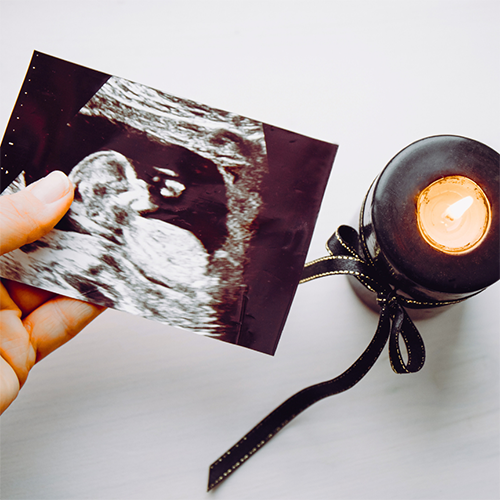
Silence can be as heavy as grief itself. When we don’t tell our stories, we risk carrying the pain alone, sometimes for a lifetime. As a woman and as a coach, I feel a responsibility to break this silence. Life can hit hard, but it’s possible to find fulfillment and joy again.
If you’ve experienced child loss, multiple losses, or the pain of not being able to conceive, you are not alone. This article is both my story and an invitation: to bring awareness, to normalize difficult conversations, and to remind every woman that her worth and womanhood remain whole, no matter the outcome.
When my partner and I decided to try for another child, I wasn’t very optimistic—not because we didn’t want it, but because I thought it wouldn’t be possible naturally. I had just turned 40 and had been experiencing perimenopause symptoms for almost two years: irregular cycles, sometimes too long and sometimes too short, along with migraines that forced me to change my habits. These signs reminded me every month that my fertility window was closing. And I was right to wonder—statistics show that women over 40 face a miscarriage risk of about 33–40%, compared to around 20% at age 35.
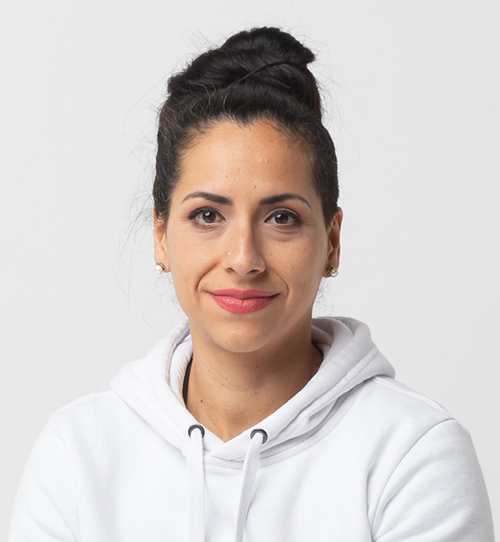
Still, after everything my partner and I had lived through—the ups, the pain, even a two-year breakup—we felt ready and wanted this baby with all our hearts. Within a month of trying, I was pregnant. At 40, it felt like a miracle.
The first twelve weeks were difficult. I was sick every day, exhausted, and unable to eat properly. Bread and butter were all I could manage most of the time. I cut down my work, slept every afternoon, and dragged myself to teach my lessons while fighting nausea and anxiety. Despite the suffering, the ultrasounds gave me hope. At week 12, when I saw a tiny beating heart, I thought, We made it.
But at the next scan, everything changed. The technician was gentle but concerned: she saw fluid around the baby’s neck and back, and the heart was much larger than normal. At the specialized clinic, the doctor confirmed a severe heart anomaly and took placenta and blood samples for deeper analysis. A few days later, the results revealed Trisomy 21 (Down syndrome).
Around 40–50% of babies with Down syndrome are born with congenital heart defects, compared to about 1% in the general infant population.
Advances in medicine mean many survive with treatment. But in some cases, like Mia’s, the anomaly is too severe. The doctors explained that she could die at any time—at 15 weeks, at 38 weeks, or even shortly after birth. Survival wasn’t possible.
We had already agreed that if a child was sick, we wouldn’t bring them into the world to suffer. But nothing prepared us for making that decision. At 14 weeks, I was induced and went through labor. I didn’t expect to actually give birth at that stage of pregnancy—it was one of the most physically and emotionally painful experiences of my life.
Though we never knew if it was a boy or girl, we named her Mia. She was born on August 13th, weighing 19 grams and measuring 8 cm. We held her, we cried, and we said goodbye. The hospital staff supported us with compassion, giving us space to honor her presence in our lives.
The sadness was overwhelming. It wasn’t only about losing Mia, but also about letting go of the dreams we had built as a family. I was confused too: I knew we had made the right decision, yet I couldn’t stop wondering, Who am I to decide to end her life? I don’t feel guilty, but I reflect often about the fragility of human existence.
Talking about it at first felt strange because I had never heard another woman share such a story. But once I opened up, women and men began sharing their own experiences with me. Some even called me brave for speaking openly. I don’t see myself as brave; I simply believe silence only deepens the wound. If my story makes others uncomfortable, so be it. I’d rather make space for honesty and healing—for myself and for others.
One reason child loss is so hard to talk about is that, as human beings, we often avoid conversations about adversity. Many cultures label mistakes or tragedy as “bad luck,” instead of seeing them as part of our shared humanity. Because of this, most people don’t know how to comfort others in pain.
It’s easier to think, “that would never happen to me.” But the truth is, none of us are exempt. Miscarriage and child loss are far more common than we admit. Yet silence persists because grief makes people uncomfortable. Tears are seen as weakness, men are told not to cry, and crying in public is judged. These beliefs prevent us from holding space for real emotions.
Child loss also carries a layer of shame for many women, as if their bodies had failed. Hurtful comments like “it wasn’t a ‘real baby’ yet” can make women retreat further into silence. But the emotions of loss are complex: grief over lost dreams, anger after enduring a difficult pregnancy, guilt for making impossible decisions, and sometimes even relief when physical suffering ends.
You have the right to feel every emotion, and you have the right to be received with open arms. If you give yourself the right to feel, you can also give yourself the right to speak—if you wish—and share your story. In doing so, you not only heal yourself but also comfort others through shared humanity.
And when the time comes, you have the right to close the chapter—carrying the memory, but living fully again. In honor of those fragile lives, we can live with more grace, passion, and attention to the beauty around us.
True empowerment comes when we don’t sacrifice one dream for another, but define our own version of success early and pursue it with clarity. Authentic success has many shapes and forms. The greatest power comes from building your own definition, not following one imposed by others.
Women are born with all the eggs they will ever have, and the highest-quality ones are released first. As time passes, the remaining eggs are fewer and often lower in quality.
Perimenopause is part of this story. On average, it begins in the early 40s, but it can start as early as the mid-30s—something few women are told. And it doesn’t last just a few months. The transition typically spans 8 years, but can stretch up to 12 years before menopause. During this time, estrogen fluctuates dramatically, triggering unpredictable symptoms that also affect fertility.
These treatments can be life-changing, but they are not a guaranteed path to motherhood. The combination of high costs, hormonal strain, and emotional exhaustion can leave women depleted. Awareness is key to making empowered, compassionate choices.
Child loss and fertility struggles are not rare, yet they remain surrounded by avoidance and discomfort. One in four pregnancies ends in miscarriage, and the risks only rise with age. Still, too often these experiences are met with minimization, or with silence when what women really need is presence.
What helps most in these moments is not judgment, but compassion. A willingness to sit with someone in their grief, even if there are no perfect words. Sometimes the most powerful response is simply presence: a hug, an open ear, or the honesty to say, “I don’t know what to say, but I’m here.”
As a women’s coach, I feel a duty to speak openly about these realities. My work is not about showing myself as someone who has everything figured out or under control—it’s about being real. By sharing my own journey, I hope to give women permission to embrace their truth, their emotions, and their healing without shame.
The more we share, the more we normalize. Each voice helps another woman feel less alone, less ashamed, and more supported. Together, we can create a culture where grief is honored, where women feel safe to be real, and where child loss—or any of the many challenges that are part of womanhood—are no longer hidden chapters, but part of our shared humanity.
If you feel called to, I warmly invite you to share your story or reflections in the comments below. Your words might be the comfort another woman needs to read today. This is a space to hold each other with gentleness, honesty, and solidarity.
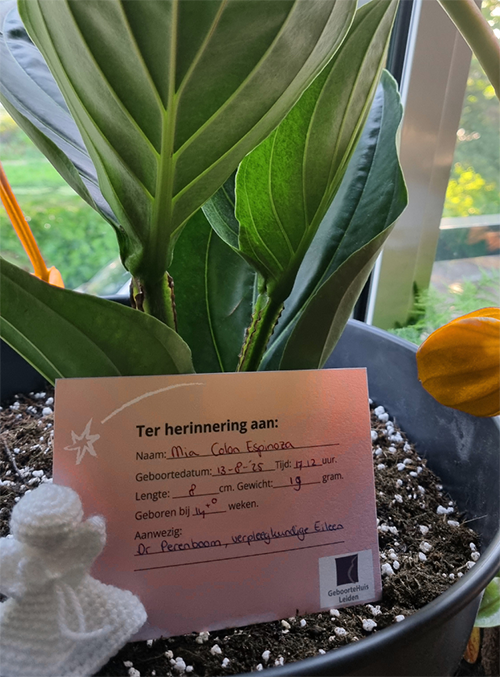
For Mia, Always
Mia’s loss was not the first time I had learned about grief. Adversity had been my teacher before, and this experience reminded me again: life is still beautiful, and growth is always possible, even through pain. My focus is not on what I lost, but on what I gained—the clarity, perspective, and strength to keep living with purpose.
I realized that suffering is tied to attachment. I stopped suffering when I let Mia go—when I released the dreams I had built around her. In that moment, I adjusted my compass and redirected my energy into other endeavors. Her memory became less about pain and more about wisdom.
For me, Mia is now a symbol of life’s fragility. Emotions, relationships, even the ground beneath us can change in an instant. The only way to stay steady is to choose vulnerability and growth, like bamboo: strong, yet flexible, bending without breaking.
This loss also reshaped how I coach. I now bring not only science and professional knowledge, but also the raw truth of lived experience. It has made me more authentic than ever, and even when I doubt myself, I know that honesty and vulnerability are what truly connect us.
There is nothing wrong with you. You are not alone. Give yourself permission to cry, to grieve, to share your story. And when you are ready, choose life again—with more intensity and passion than before. Live fully, keep your eyes on the beauty, and know that your worth and your womanhood remain whole.
Here’s a proper bibliographic list (APA 7th style) of the sources used for statistics and background:
Cookies help us improve our services and help us analyze website performance. In the settings, you can choose which cookies we can use. You can withdraw your consent at any time.