
Hey you, yes—you with the never-ending to-do list, the open tabs on your phone, and the sneaky voice in your head that says, “Just one more scroll.” If you’ve ever wondered why motivation seems to come and go, why you binge-watch shows or reach for snacks when stressed, or why staying off Instagram feels like a challenge—then you’re already familiar with dopamine. You might not see it, but this brain chemical is behind many of your daily choices, cravings, habits, and even emotional dips.
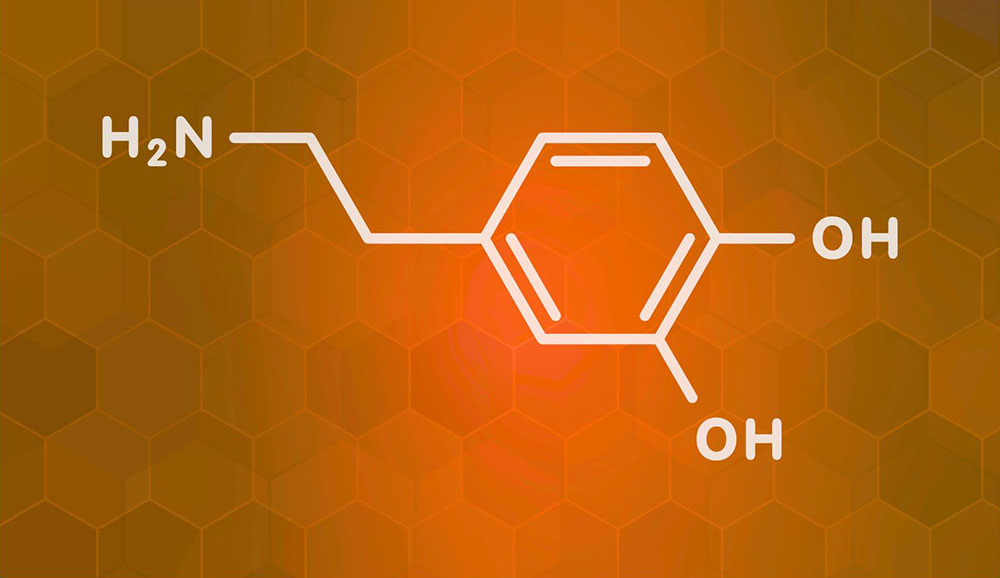
Think of dopamine as your brain’s internal compass pointing toward rewards. It’s not just the “feel-good” chemical—it’s more like the motivational whisper that nudges you toward action: “This will be worth it.” Whether it’s finishing a task, biting into a cookie, or hearing your phone ping, dopamine’s job is to keep you moving toward satisfaction. The problem? In our modern world, we’re surrounded by things that hijack this system.
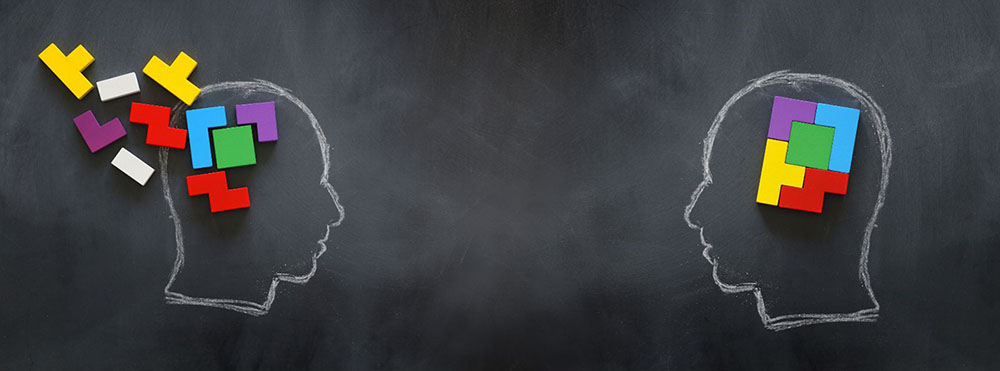
If you find yourself starting five things but finishing none, jumping between tasks, or endlessly procrastinating—dopamine may be playing a role. Research suggests that low dopamine activity in parts of the brain linked to focus and impulse control contributes to symptoms similar to ADHD. This doesn’t mean you have ADHD, but it does mean that your dopamine system might need a reset.
We often hear about serotonin and depression, but dopamine is just as important. A dip in dopamine can feel like emotional numbness, a lack of drive, or a sense that joy is just out of reach. You might want to engage with your kids, your partner, or your passions—but your brain and body respond in slow motion. That’s dopamine depletion.
From impulse shopping and emotional eating to excessive Netflix binges—dopamine is involved. Why? Because each time something feels good, your brain releases dopamine. Over time, you start chasing that dopamine “high,” even if the activity no longer satisfies you. This loop is especially common with sugar, drugs, and—yes—your phone.
Imagine this: You’re finally relaxing after a busy day, phone in hand, scrolling through Instagram or TikTok. You see a notification—someone liked your post. A tiny rush of happiness hits. That’s dopamine.
Every time you get a like, a comment, or a message, your brain releases dopamine—the same brain chemical that helps you stay motivated and feel rewarded. The more unpredictable the reward, the more dopamine your brain releases. This is called variable reinforcement, and it’s exactly what makes slot machines addictive. Social media platforms use the same strategy. You never know when the next dopamine hit will come, so you keep checking. Again. And again.
For many women, social media isn’t just a casual distraction—it’s emotional. It becomes a space where validation, appearance, and belonging all intersect. You might go online to unwind or connect, but end up comparing yourself to someone else’s curated feed. That comparison—whether it’s about looks, lifestyle, or career—can leave you feeling deflated. And yet, your brain keeps chasing that next reward signal.
Research backs this up. A 2018 study by Macit et al. showed that dopamine-driven feedback loops on social media are strong enough to override normal self-regulation mechanisms. Another study (Debasmita et al., 2025) found that dopamine-related craving patterns in teens using social media resemble those found in substance use. The more time spent online, the more the brain adapts to expect quick rewards, which can dull motivation for more meaningful, slower forms of gratification—like reading a book, or talking with a friend.
Neurologically, this matters. Over time, heavy social media use is linked to reduced grey matter in areas of the brain responsible for decision-making, emotional regulation, and impulse control. These aren’t just abstract findings—they help explain why it’s so hard to resist checking your phone, even when you’re busy, tired, or mentally overloaded.
Women, in particular, may be more affected—not due to a lack of discipline, but because they often carry a heavier load of emotional and relational responsibilities. Social media tends to amplify these dynamics, tapping into the same psychological pathways that women already engage in daily life.
The result? An overstimulated dopamine system that’s constantly chasing tiny rewards, but rarely feels satisfied. And that leaves you with less energy for the things that actually matter.
Let’s talk about food. Have you ever told yourself, “Just one cookie,” and then found yourself at the bottom of the pack? Or started the day eating healthy, only to binge on snacks after a stressful afternoon? This isn’t about willpower—it’s about dopamine.
High-sugar, high-fat foods trigger a strong dopamine release in the brain, making them feel incredibly rewarding. That little burst of pleasure you get after a bite of chocolate? That’s dopamine saying, “Yes—more of this, please.” It’s the same brain system that rewards us for achievements or progress, but food hijacks it in a way that’s especially hard to ignore.
Here’s where it gets tricky: when you repeatedly stimulate your brain with high-dopamine foods, your dopamine receptors begin to downregulate. This means you need more of that same food to feel the same level of satisfaction. You’re not imagining it—your second cupcake doesn’t hit the same as the first. And yet, you keep going. Because your brain is trying to chase a reward that’s already fading.
A study by Volkow et al. (2017) compared brain activity in people craving drugs with those craving food. The results showed activation in the same neural circuits. In other words: junk food can light up your brain like cocaine does in a lab scan. The scans don’t lie—it’s our brain chemistry.
Women often carry the emotional weight of others, juggling careers, families, and expectations. In that context, food becomes more than sustenance—it becomes a brief escape. After a long day of giving, preparing, managing, and multitasking, the brain searches for something that feels good now. And dopamine offers that quick fix, especially when combined with emotional eating.
And it’s not just about food volume—it’s about what we’re eating. Ultra-processed foods are engineered to overstimulate dopamine systems. They’re designed to bypass your natural “I’m full” signals and make you crave more—even when you’re not hungry.
Stress is one of the biggest disruptors of your dopamine system—and yet, we often underestimate just how deep the effects go.
When you’re under stress, your brain shifts into survival mode. Cortisol (the stress hormone) floods your system, narrowing your focus to short-term relief and fast rewards. In this state, dopamine function becomes impaired—especially in areas responsible for long-term motivation and emotional regulation. This makes it harder to experience pleasure from everyday things, like reading, exercising, or talking with someone you love.
So what do we do instead? We reach for quick dopamine fixes—sugar, social media, shopping, wine, or even just zoning out. It feels like relief in the moment, but over time, this strategy backfires. You start needing more and more of those “hits” to feel okay, while everyday joys—like a walk in the sun or finishing a task—start to feel less rewarding.
One study (Koob & Le Moal, 2008) describes this shift as a “reward deficit state”—when your brain’s natural reward system stops responding the way it used to. Instead of bouncing back after a stressful day, you feel drained, numb, or disconnected. This is especially common in chronic stress, like parenting burnout, workplace overload, or emotional exhaustion in caregiving roles—areas where many women carry a disproportionate load.
Think about it: You’ve spent your whole day taking care of others, managing responsibilities, checking things off your list—and by 8 p.m., you feel both wired and empty. So you scroll, snack, or shop. It’s not weakness—it’s your dopamine system asking for fuel.
And the cycle continues. Stress leads to dopamine depletion. Dopamine depletion makes it harder to cope with stress. So you look for faster, easier sources of reward, which might make you feel worse in the long run—fueling more stress.
But the good news? Dopamine can be rebuilt. Your brain is remarkably adaptable. Rest, movement, connection, and even tiny pockets of joy can start to restore the natural balance.
It doesn’t have to be all-or-nothing. You don’t have to meditate on a mountain or delete your phone. Even small rituals—like stepping outside with your morning coffee, hugging someone for longer than three seconds, or finishing something you’ve been putting off—can give your brain a healthy, natural dopamine boost.
Then try these sustainable shifts:
Social media is designed to hijack your dopamine. Reclaim control by:
When stress hits, ask: “Is this serving me or just my dopamine rush?” Swap empty fixes for nourishing ones:
No grueling workouts needed. Dopamine loves:
Your mindset is the key to unlocking the transformation you seek. By breaking down limiting beliefs and adopting a growth-oriented mindset, you create a foundation for sustainable health, self-love, and empowerment. It’s important to remember that true transformation starts not with a new diet or exercise plan but with a decision to change how you think.
So, what’s stopping you? It’s time to unlock your full potential and embrace the journey to a healthier, more empowered you. Your mind holds the power to create lasting change—and the journey starts today.
Cookies help us improve our services and help us analyze website performance. In the settings, you can choose which cookies we can use. You can withdraw your consent at any time.