
NOTE: In this article, “MT” refers to Menopausal Transition, which is equivalent to perimenopause—the time leading up to menopause (up to 12 years) that ends on the day marking 12 consecutive months without menstruation.
Menopause is often described in terms of loss—loss of fertility, of estrogen, of youthful skin and sharp memory. But there’s another story unfolding, one less told: the story of how your brain adapts, rewires, and finds new equilibrium. Let’s dive deeper into MT neuroplasticity.
Remember teaching yourself to parallel park? That first awkward attempt where you clipped the curb, then gradually developed muscle memory? That was neuroplasticity in action – your brain forming new connections through practice.
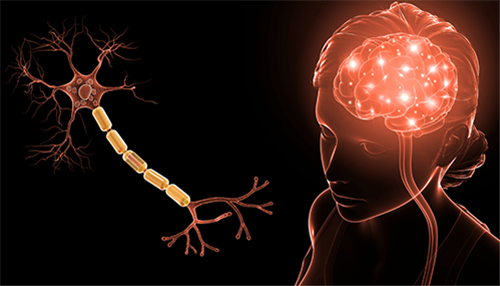
Neuroplasticity is your brain’s built-in ability to adapt—reshaping itself in response to new experiences, challenges, and demands. It’s how you learned to walk, ride a bike, recover from heartbreak, and juggle the pressures of work and family. This adaptive power is not only for the young people; your brain remains plastic throughout life—even in midlife, even during MT.
You’ve probably heard neuroplasticity described as the brain’s ability to “rewire” itself, and that’s true. But it’s more nuanced than just building new connections. Researchers like Diniz and Crestani (2023) emphasize that neuroplasticity is a dual process: it involves both the creation of neural connections and the pruning (trimming) of old ones. In other words, when your brain lets go of certain pathways, it’s not breaking down—it’s streamlining, reorganizing, and preparing for what’s next.
This process becomes especially important during MT. As your hormones shift—especially estrogen—your brain begins to reconfigure how it processes emotion, memory, energy, and focus. These changes might feel unsettling, even alarming. But they’re not signs of decay. They’re signs of a brain actively adapting.
For decades, estrogen quietly ran the show like a skilled conductor, orchestrating your memory, mood, focus, sleep, and even body temperature with seamless precision. Then in the years leading up to menopause, also known as perimenopause, estrogen levels start to fluctuate and eventually drop quite steeply. But your brain? It’s not crashing or burning—it’s renovating.
Studies, including brain scans from 2021, show that the hippocampus—the area that helps with memory—shrinks a bit during MT. The good news? This shrinkage is usually temporary, and many parts of the brain reorganize or bounce back in time. These changes aren’t signs of damage; they’re signals that your brain is actively adjusting to a new internal environment.
While cognitive decline risks can be influenced by genetics, lifestyle, and comorbidities, the brain’s capacity to bounce back might not be all up to you. But with the right support—whether through nutrition, mental challenges, social connection, or physical activity—we can have an impact on these risks.
This brain remodeling is powered by neuroplasticity—the brain’s remarkable ability to rewire itself. The foggy thinking, restless nights, and mood swings you might notice aren’t just random annoyances. They’re symptoms of your brain’s busy construction work behind the scenes. This “construction work” by the brain doesn’t happen by itself though. We need to encourage it.
You walk into a room and forget why. Words hover just out of reach. Multitasking feels like juggling thick smoke. Emotions spike without warning. These aren’t signs that you’re losing your edge—they’re signals from a brain under pressure, navigating a deep hormonal shift.
During MT, declining estrogen doesn’t just affect reproductive organs. It throws a wrench into the brain’s chemical messaging system (and we’re not even talking about other hormones like progesterone, cortisol, and thyroid hormones!). Estrogen helps regulate serotonin, dopamine, acetylcholine, and GABA—neurotransmitters that control our mood, memory, sleep, and focus. When levels drop, that fine-tuned balance of neurotransmitters becomes erratic, leading to the symptoms so many women describe: brain fog, emotional spikes, disrupted sleep, and even moments of unshakable sadness.
But understanding the neurochemistry of MT gives these experiences context. They’re not weakness or failure. They are evidence of adaptation in motion—a brain adjusting to new terms.
Estrogen is like a master builder for your brain. It helps construct and maintain the brain’s infrastructure, encourages the birth of new neurons, shields cells from stress, and keeps the communication highways strong—especially in areas that handle memory, planning, and emotional balance.
During your reproductive years, estrogen is like a personal trainer for your brain, keeping key areas like the hippocampus and prefrontal cortex flexible and sharp. But as estrogen levels drop in MT, that support system eases up. That’s when neuroplasticity steps into the spotlight—not just relevant, but absolutely crucial.
Brain studies have shown that the brain actually changes during this phase, however, many of these changes aren’t permanent. For some women, the brain bounces back—rebuilding, reorganizing, and regaining volume once the storm settles. But here’s the key—waiting for things to “go back to normal” misses the point. Your brain is creating a new normal, one that thrives with the right kind of support. Movement, good sleep, trying new things, and social connections aren’t just feel-good advice—they directly fuel neuroplasticity. We have to take responsibility and start changing what needs to be changed and doing what needs to be done.
For decades, scientists thought the adult brain was like a set-in-stone sculpture—unchanging, slowly deteriorating with age. We now know this isn’t true. The adult brain remains remarkably adaptable, able to regenerate and rewire itself, especially when faced with new challenges. This ongoing transformation is more than biology; it’s the cellular essence of resilience.
This brings us to the idea of neurological rebirth—the brain’s incredible ability to reorganize by forming new neural connections. As hormones shift, emotions deepen, and life circumstances change, the brain responds by rewiring itself. You might notice this as subtle shifts in memory, heightened sensitivity to stress, or changes in how you experience the world around you. These moments can feel unsettling—but they are proof your brain is actively adapting.
Take, for example, a woman who leaves a long-term career to care for an aging parent. Amidst this emotional and practical upheaval, she finally pursues a dream: learning a new language. Six months in, her vocabulary expands—and brain scans (like those in Boyke et al., 2008) show real structural growth in memory and motor areas. Real world evidence of neuroplasticity at work!

* Note: If you are struggling with night sweats and consistent sleep deprivation, consider asking your healthcare provider for help. If hot flashes and night sweats are seriously interfering with your quality of life, hormone therapy could be an option. However, this needs to be discussed with the right specialist first.
We’ve been sold the story of decline. But the real story is more complex—and more hopeful. Yes, the passage from perimenopause to menopause is turbulent. But on the other side lies a new kind of mental clarity, one born not from biology alone, but from resilience.
Cookies help us improve our services and help us analyze website performance. In the settings, you can choose which cookies we can use. You can withdraw your consent at any time.