Here’s the truth: you don’t need hours in the gym or extreme workouts to build strength and confidence. The secret lies in two simple principles—consistency and progressive overload. When you combine these, not only do you become physically stronger, but you also build mental resilience that carries into every part of your life.
In this article, we’ll explore what progressive overload really means, why consistency is your superpower, and how these tools can help you feel more powerful, capable, and unstoppable—inside and out.
You’ve probably heard that to get stronger, you need to “challenge your muscles.” But for women, especially those balancing busy schedules, it doesn’t mean lifting the heaviest weights right away.
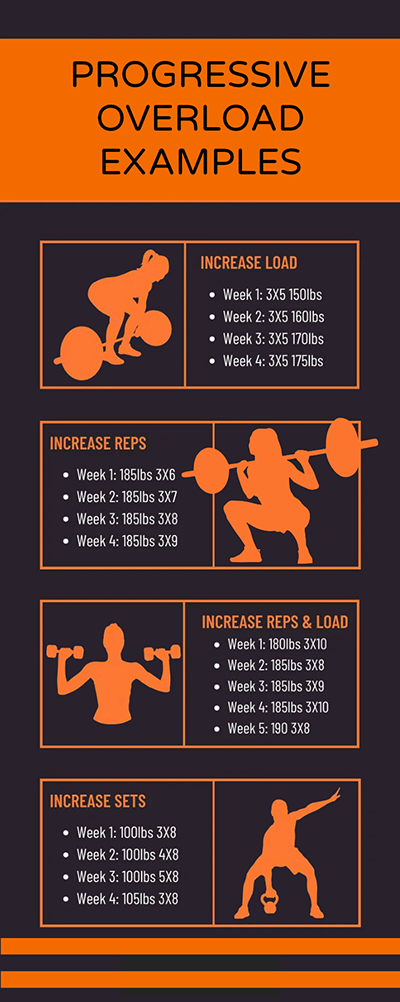
Progressive overload is a simple method where you gradually increase the challenge of your workouts over time. This can mean:
These small, steady increases signal your body to adapt—building muscle, bone strength, and stamina.
For women, this approach is especially powerful:
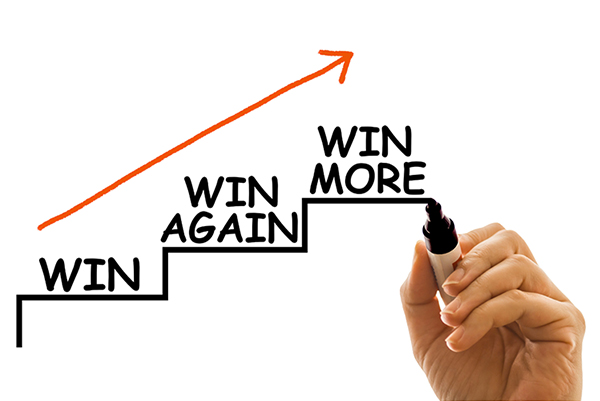
Think of progressive overload as your path to long-term strength—a slow, empowering journey where every small win counts.
Even if you start with just two short strength sessions per week, showing up regularly sends a message to your body and mind: I keep my promises to myself. Over time, these small efforts compound—your strength grows, your posture improves, and your confidence skyrockets.
Consistency is also where mental resilience is built. Every time you choose to show up, even for a short session, you’re proving to yourself that you can handle discomfort, stay committed, and prioritize your well-being—skills that translate to every challenge in life.
Imperfect action is better than no action. Missing a day or cutting a workout short doesn’t erase your progress. What matters is that you come back, again and again, for yourself.

When you commit to progressive overload with consistency, the results are far more than aesthetic—they’re life-changing:

Strength training isn’t just about your body—it transforms your mind.
When you follow a progressive plan, you:

Meet Mayi, a 37‑year‑old working mom of four girls who spent years putting everyone else first. She had no energy, no discipline, and no motivation. She would start a fitness routine, drop it, and feel like she had failed herself all over again.
At 120 kg, with knee pain and other health complaints, she reached a breaking point. Her wake‑up call came through bariatric surgery—a decision that required not just a medical procedure, but an emotional and mental transformation. As part of the process, she worked with a psychologist, and that journey helped her see the self‑destructive patterns that had been holding her back for years.
The surgery started her weight loss, but her true transformation came from movement. For the first time, she committed to herself—showing up for her workouts, week after week, for almost a year. And she’s still doing it.
Today, Mayi has gone from a sedentary lifestyle to a confident, strong woman who trains at least three times a week. She can squat 80 kg and deadlift 70 kg with an Olympic bar—numbers she never imagined for herself. But the biggest change isn’t in the mirror; it’s in the way she sees herself.
“Now I see and understand what I wasn’t able to before. I will never abandon myself again.”
Her story is proof that progressive overload and consistency are not just about lifting weights—they’re about lifting yourself up, rep by rep, until you become the woman you always wanted to be. And as her coach, I couldn’t be more proud of the strength she’s built—both inside and out.
If you’re new to strength training or coming back after a break, start small:
No — but lifting weights can help you build beautiful, functional muscle over time, especially in areas where you want to add shape, like your glutes.
Women’s hormonal profile makes rapid or extreme muscle gain very unlikely. What strength training does is promote slow, intentional hypertrophy — the kind that sculpts your body, improves posture, and enhances your curves naturally.
The truth is, if your butt is flat or your arms lack tone, lifting weights is one of the best ways to build that shape with purpose.
2–3 times per week is a great starting point. Focus on quality and consistency rather than long sessions.
Yes, and it’s highly recommended. Strength training supports bone health, muscle preservation, brain health, and energy levels. Always start gradually and listen to your body.
The right weight should feel challenging but doable. If you’re aiming for 10 reps, the last 2–3 should feel hard—but you should still be able to keep good form.
If you breeze through your sets without feeling fatigued or uncomfortable, it’s time to go heavier. That slight discomfort is what signals your body to adapt and get stronger—that’s the essence of progressive overload.
Form and execution are non-negotiable. Always prioritize proper technique to avoid injury and get the best results. Progress happens when you challenge yourself safely—not when you stay in your comfort zone.
Progressive overload and consistency are more than a workout plan—they’re a mindset for life.
By showing up for yourself, celebrating small wins, and building strength step by step, you create a resilient body and mind that can handle life’s challenges with confidence and grace.
If you’re ready to start your own journey of strength and self-respect, you don’t have to do it alone.
Or, if you’re craving more guidance and clarity, BOOK A FREE CONSULTATION with me. We’ll talk about your goals, challenges, and how I can support your transformation.
Cookies help us improve our services and help us analyze website performance. In the settings, you can choose which cookies we can use. You can withdraw your consent at any time.