
In a world where women are constantly bombarded with messages that they must do it all—be the perfect partner, the flawless professional, the ideal mother, and the picture of health—it’s easy to fall into the trap of thinking that drastic changes are the only way to achieve success. Social pressures to be thin, flawless, and constantly “on” can leave women feeling exhausted, overwhelmed, and disconnected from their own needs.
But true transformation doesn’t come from striving for unattainable perfection. It comes from the compounding effect of consistent, small actions. The 1% Rule is all about making tiny improvements every day that, over time, lead to profound results. This article will explore how embracing small, manageable changes in your wellness journey—not for perfection, but for progress—can bring you lasting success without the pressure to be perfect.
The 1% Rule is based on the concept of continuous, small improvements. Rather than trying to overhaul your entire life at once, you focus on making tiny adjustments that accumulate over time. Think of it as a commitment to improving by just 1% every day.
The beauty of small changes is that they don’t feel overwhelming. As these changes build, the impact becomes exponential. Even when progress seems slow, you’re moving forward, and that’s what matters.
Example: If you commit to adding just one extra serving of vegetables to your meals each day, by the end of the week, you’ve added seven servings. Over a month, that adds up to 30 extra servings—leading to better nutrition without the stress of a complete dietary overhaul.
The science behind the 1% Rule doesn’t just live in the realm of theory; it’s proven by real studies that show how small changes can lead to remarkable transformations in our lives. Let’s dive into some fascinating research and the real-world outcomes of these principles.

A study published in the European Journal of Social Psychology followed individuals trying to build new habits. One group was asked to make a small change—like adding one extra serving of vegetables per week—while another group made more drastic changes. The results were astonishing: the group that made small, gradual changes stuck with their new habits longer and saw more consistent progress.
Imagine this: a woman, let’s call her Lori, had been trying for years to eat healthier but found the journey overwhelming. One day, she decided to add just one more vegetable to her meals each day. Over a few months, this seemingly minor change built up. By the end of the year, Lori was eating a variety of vegetables every day without thinking about it—and had lost weight without ever dieting. The study backed up what Lori experienced: small, consistent improvements add up and create lasting change.

The concept of neuroplasticity—how the brain forms new connections—plays a crucial role in forming habits. A 2014 study in the Journal of Neuroscience showed how practicing a small activity daily (like stretching or walking) can change the brain’s wiring, making these actions feel easier over time.
Take Maria, for example, who found herself constantly tired and inactive. Instead of committing to an intense workout routine right away, Maria started with 5 minutes of stretching every morning. It didn’t feel like much at first, but her brain started forming new neural pathways, making it easier to add more movement each day. Over time, what began as a small action evolved into a consistent exercise routine, and Maria’s energy levels and overall health improved significantly. The science behind this shows how small, repeated actions slowly transform both our bodies and our brains.
Have you ever had a small success that gave you the energy to keep going?
A study by psychologist Teresa Amabile found that small wins have a powerful effect on motivation. When people feel like they’re making progress—even in tiny ways—it boosts their overall drive to continue. It’s called the “small wins effect.”
In one study, participants who made small, positive changes—like eating healthier snacks or taking a walk after lunch—reported feeling more motivated to keep up with their health routines. This positive feedback loop kept them engaged and moving forward.
Consider the findings of this study in the life of Sophie. She was overwhelmed by the idea of completely changing her lifestyle, so she decided to make one small change: she swapped her afternoon sugary snack for a piece of fruit. It wasn’t a huge step, but Sophie began to feel better. The small, consistent changes that followed—like drinking more water and taking short walks—made Sophie feel like she was making progress. The dopamine from each small success encouraged her to stick to the changes, and over time, these small wins transformed her health.
These studies show that small, consistent actions can lead to lasting changes, both in our habits and in our brains. The 1% Rule isn’t just about making tiny improvements for the sake of it—it’s about understanding that lasting transformation comes from small, manageable changes that compound over time. When we embrace these small steps, we start a process that leads to big, sustainable results.
Wellness isn’t about perfection; it’s about consistency. The 1% Rule can be applied to various aspects of your wellness journey, including mindset, nutrition, movement, and emotional well-being. Small, consistent actions lead to big changes over time. Here’s how you can apply the 1% Rule across different areas of your life:
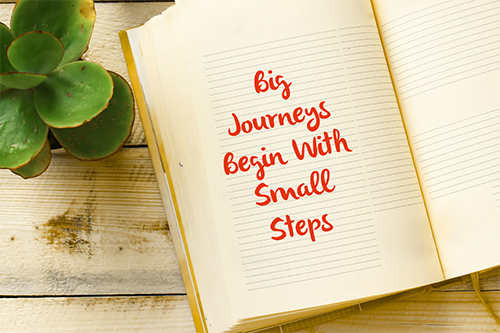
Mindset is the foundation of all progress. By making small, intentional shifts in how you think, you can build a healthier and more empowered outlook on life. The key is to start small—just 1% each day—and to practice Imperfect Action by taking small steps without waiting for perfection.
By focusing on small, incremental changes, you create the mental space to grow without the pressure to “do it all” perfectly. The shift isn’t about achieving perfection—it’s about making consistent, Imperfect Action every day. Each small step compounds over time and brings you closer to a healthier, more resilient mindset.
Nutrition doesn’t need to be a drastic overhaul. Instead, start by making small changes that gradually evolve into lasting habits.
Over time, these small changes add up, helping you build a balanced, nutritious diet that supports your goals, without stressing about perfection.
As you embrace this approach, you build a sustainable relationship with food based on mindful choices instead of quick fixes.
If you’ve been inactive, the idea of committing to regular exercise can feel daunting. That’s where the 1% Rule shines—small daily actions lead to major improvements over time.
This approach makes movement feel more manageable and less overwhelming, helping you build an exercise habit that sticks.
Small actions in emotional well-being can have a profound impact on how you handle stress, build resilience, and stay grounded. These actions don’t have to be big gestures—they can be simple, consistent practices that nurture your emotional health. And the best part? They align with The Four Wonders, which help cultivate a deeper sense of emotional well-being.
Start by committing to small, daily acts of self-care and mindfulness, incorporating elements of The Four Wonders to build resilience and self-compassion:
The biggest hurdle for many is the temptation to achieve big results fast. In a world where instant gratification is often the norm, waiting for results can feel discouraging. However, the 1% Rule helps reframe the concept of progress. Instead of focusing on a “big change” that may feel distant, it encourages you to celebrate the small wins every day. These small steps are the key to lasting transformation.
Staying consistent is often easier said than done, especially when motivation feels absent. During these times, discipline becomes your ally. Discipline isn’t about forcing yourself to go beyond your limits; it’s about respecting your rhythm and honoring your time in the process.
Repetition Over a Slip: It’s easy to get discouraged when you slip up, but the key is to repetition over a slip. When you miss a day or make a choice that doesn’t align with your goals, don’t give up. Acknowledge it, then get back on track. It’s the consistency of the small actions, not the perfection, that truly matters.
Every time you make a small change, no matter how minor it seems, celebrate it. This reinforces your commitment and builds positive momentum. Even the smallest step forward is a success. When you acknowledge these wins, you’re telling your brain that progress is happening, which encourages you to continue.
By acknowledging that the journey will have ups and downs, and learning how to navigate those moments with discipline and repetition, you can stay on track. It’s not about waiting for the “big moment”; it’s about recognizing that the small, daily changes are where the real transformation happens.
If you’re feeling stuck or find yourself trying to make the same changes over and over without lasting results, it’s important to remember that asking for help is a wise and empowering decision. Change can be challenging, especially when life feels overwhelming. And sometimes, the support of someone who understands the journey can make all the difference.
That’s where I come in. As a holistic wellness coach, I specialize in guiding women through their wellness transformations. Whether you’re struggling with shifting your mindset, building consistent healthy habits, or navigating the ups and downs of perimenopause and menopause, I’m here to help you break through those barriers.
Together, we’ll work on making small, sustainable changes that are aligned with your unique needs and goals. You don’t have to do it alone—sometimes, a little guidance can make the path to wellness feel much clearer. If you’re ready to take the next step and need support along the way, don’t hesitate to reach out. Let’s work together to create a life that feels empowered, balanced, and fulfilling.
Book a FREE CONSULTATION: Address questions and clarify your path forward.
The journey to better wellness doesn’t need to be about dramatic, overwhelming changes. As women, we often juggle multiple roles and face pressures to do everything perfectly. But the truth is, lasting change comes from committing to small, manageable steps. By focusing on just 1% each day, you can make meaningful progress without the stress or pressure of perfection.
The 1% Rule is a tool that empowers you to take control of your health and well-being, one small, achievable step at a time. Whether it’s shifting your mindset, improving your nutrition, adding more movement, or caring for your emotional health, each small effort makes a difference. It’s not about being perfect—it’s about showing up for yourself, every day, and embracing the power of progress over perfection.
Remember, every small win counts. You’re not alone in this journey—every step, no matter how small, is a victory. Let the 1% Rule guide you toward the vibrant, balanced life you deserve.
Books
Academic Studies & Papers
Aditional Resources
Cookies help us improve our services and help us analyze website performance. In the settings, you can choose which cookies we can use. You can withdraw your consent at any time.